
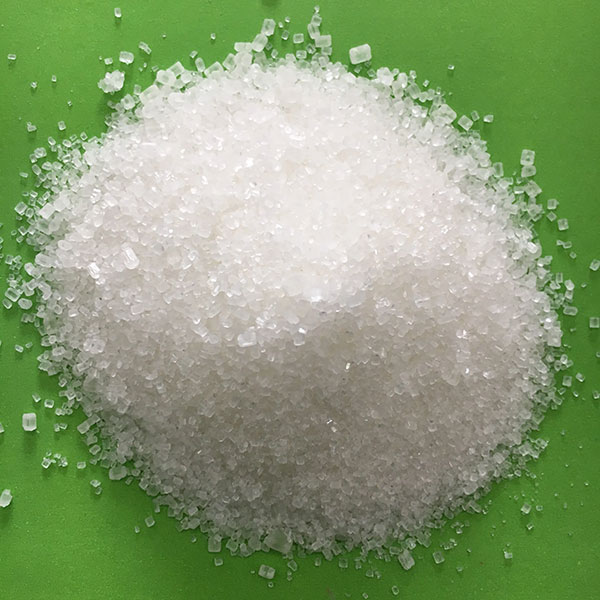
Both supply nitrogen. One carries more than twice as much per tonne; the other brings sulphur and does not volatilise. Which is cheaper depends almost entirely on whether you needed the sulphur anyway.
Side by side
| Urea | Ammonium sulphate | |
|---|---|---|
| Analysis | 46-0-0 | 21-0-0 |
| Nitrogen per tonne | 460 kg | 210 kg |
| Sulphur | None | ~24% |
| Volatilisation risk | Real when surface-applied | Very low |
| Effect on soil pH | Mildly acidifying | Strongly acidifying |
| Tonnes for 60 kg/ha N over 400 ha | 52 t | 114 t |
Urea 46-0-0 · Ammonium sulphate 21-0-0
The freight argument, which usually decides it
Look at that last row. Delivering the same nitrogen as ammonium sulphate means carting more than twice the tonnage, spreading twice as often, and paying freight on all of it. On a freight-sensitive input that difference is rarely small.
Which is why urea is the default for straight nitrogen, and why ammonium sulphate earns its place when it is doing a second job.
When ammonium sulphate is the better buy
- You are short of sulphur too. Sulphur deficiency looks like nitrogen deficiency and gets misdiagnosed often. If the soil test shows both, one product fixes both and the sulphur is effectively free.
- Surface application with no incorporation. Urea volatilises when it sits on warm moist soil; ammonium sulphate does not, so on a top-dress with no rain in front of it, the nitrogen that arrives can beat urea despite the lower analysis.
- Alkaline soils. Its acidifying reaction is a benefit rather than a cost.
- Chloride-sensitive or salt-sensitive situations where you want the sulphate form.
When urea wins
- Straight nitrogen, no sulphur needed. Fewer tonnes, less freight, fewer passes.
- You can incorporate, water in, or apply ahead of rain. That removes most of the volatilisation penalty — see urea volatilisation.
- Acid soils. Ammonium sulphate acidifies strongly, and on ground you are already liming that is a cost, not a feature.
- Large programs where the tonnage difference compounds across every hectare.
Comparing them properly
Never compare price per tonne. Divide the delivered price by the nitrogen in a tonne — 460 kg for urea, 210 kg for ammonium sulphate — to get cost per kilogram of nitrogen delivered. Then, if you needed the sulphur, subtract what a separate sulphur source would have cost. That final number is the honest comparison, and it often lands differently from the headline.
Tell us the target rate, the area and the delivery address. We will price both options so you can compare cost per kilogram of nitrogen delivered.