
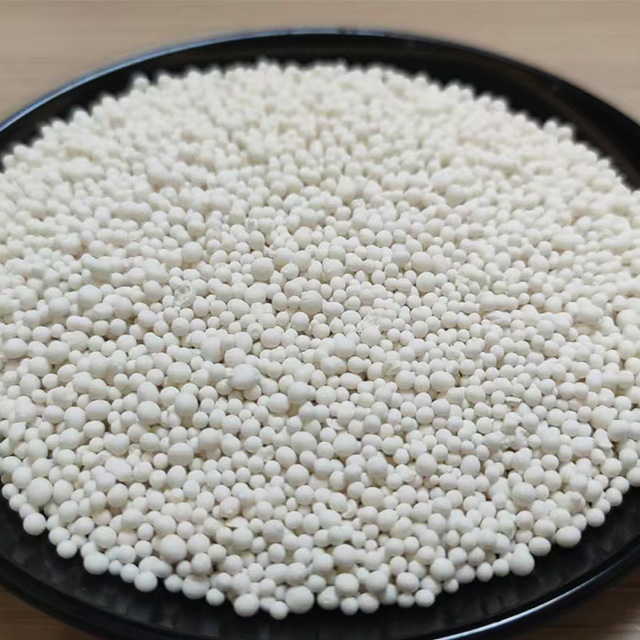
Urea is the most concentrated solid nitrogen fertiliser available at 46% N, which makes it the cheapest way to move nitrogen per tonne. It also has a failure mode that costs growers real yield every season.
What happens on the surface
Urea must convert to ammonium before a plant can use it. The enzyme urease drives that conversion, and when it happens on a warm, moist soil surface the intermediate product escapes to the atmosphere as ammonia gas. Losses of 10–30% of applied nitrogen are common on surface applications in the wrong conditions, and they can run higher on high-pH or high-residue soils.
How to keep the nitrogen
- Incorporate it — even shallow cultivation largely eliminates the loss
- Water it in — roughly 10mm of irrigation or rainfall moves urea into the soil
- Apply ahead of rain — the cheapest option when the forecast cooperates
- Use a urease inhibitor — worth the cost on warm, moist, high-residue surfaces
- Consider ammonium sulphate instead — lower analysis, but it does not volatilise, and it brings sulphur
If you are unsure which suits your situation, tell us the crop, timing and application method in your enquiry.
Leave a Reply