

Description
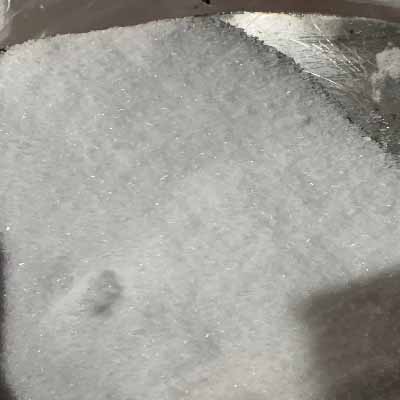
Monoammonium phosphate (MAP) 12-61-0 carries 610 kg of phosphate (P2O5) and 120 kg of nitrogen in every tonne — the highest phosphorus analysis of any granular fertiliser we supply.
More phosphorus per tonne means less freight, less handling and less room taken up in the box when you are building a blend. Supplied granular, in bulk, bulka bags or bagged from 10 MT, delivered Australia-wide and shipped worldwide, with a Certificate of Analysis and Safety Data Sheet issued against the batch supplied.
Monoammonium Phosphate 12-61-0 Specification
High-analysis phosphate with a small nitrogen component; mildly acidic in the seed zone. The declared analysis and supply detail for Monoammonium Phosphate 12-61-0 are set out below. A Certificate of Analysis is issued on request against the batch you actually receive.
| Product name | Monoammonium Phosphate 12-61-0 |
| Product code | MONOAMMONIUM-PHOSPHATE-12-61-0 |
| Product family | Monoammonium Phosphate(MAP) |
| Declared analysis (N–P–K) | 12–61–0 |
| Total nitrogen (N) | 12% |
| Phosphorus (as P2O5) | 61% |
| Potassium (as K2O) | 0% |
| Total nutrient content | 73% (73 units) |
| Elemental phosphorus (P) | 26.6% |
| Elemental potassium (K) | 0% |
| Nutrient supplied per tonne | 120 kg N · 610 kg P2O5 · 0 kg K2O |
| Physical form | Granular |
| Water solubility | Soil-applied granular product |
| Packaging | Bulk, one-tonne bulka bag or bagged — confirmed on your quotation |
| Minimum order | 10 – 25 MT, depending on the product and the destination — confirmed on your quotation |
| Availability | Australia-wide delivery; international shipping on request |
| Certificate of Analysis | Issued on request against your delivered batch |
| Safety Data Sheet | Available on request — request it before handling |
Nutrient Content of Monoammonium Phosphate 12-61-0
One tonne of Monoammonium Phosphate 12-61-0 supplies 120 kg of nitrogen (N), 610 kg of phosphate (P2O5) and 0 kg of potash (K2O) — a total of 73 nutrient units per 100 kg.
Nutrient supplied at different rates
What one hectare actually receives at a given spreading rate of Monoammonium Phosphate 12-61-0. Use it to work back from a nutrient target to a product rate.
| Rate applied | Nitrogen (N) | Phosphate (P2O5) | Potash (K2O) |
|---|---|---|---|
| 50 kg/ha | 6 kg | 30.5 kg | 0 kg |
| 100 kg/ha | 12 kg | 61 kg | 0 kg |
| 150 kg/ha | 18 kg | 91.5 kg | 0 kg |
| 200 kg/ha | 24 kg | 122 kg | 0 kg |
| 250 kg/ha | 30 kg | 152.5 kg | 0 kg |
| 300 kg/ha | 36 kg | 183 kg | 0 kg |
Indicative conversion only. Set application rates against a current soil test and confirm them with a qualified agronomist.
Where MAP 12-61-0 Is Used
MAP goes in at sowing. Phosphorus decides what a young root system can do in its first few weeks, and it will not move to the plant later, so the decision is made at planting or not at all.
Starter fertiliser at sowing
Where a large amount of phosphorus has to go into a narrow band, the highest analysis wins — you get the phosphorus in without filling the band with carrier.
Alkaline and calcareous soils
This is where MAP earns its premium over DAP. On high-pH ground, phosphorus locks up with calcium quickly, and the acidic reaction around a dissolving MAP granule keeps it available to the plant for longer.
Placement close to sensitive seed
MAP does not release free ammonia as it dissolves, which makes it the safer of the two phosphates to place near small or sensitive seed. Rates still matter — confirm safe placement with your agronomist.
Low-phosphorus and phosphorus-fixing soils
Soils that tie phosphorus up need it placed, concentrated, and in a form that stays available. All three point to a banded high-analysis phosphate.
As the phosphorus base of a high-analysis blend
Because MAP carries little nitrogen and no potassium, it leaves room in the blend for you to set those independently — useful when the soil test calls for an unusual ratio. Tell us the analysis and we will blend to it.
The Acid Reaction Around the Granule
Two fertilisers can supply the same phosphorus and behave quite differently once they are in the ground, and with the phosphates the difference is pH — not of your paddock, but of the few millimetres of soil around each dissolving granule.
- MAP dissolves to an acidic solution. On alkaline and calcareous soils, that local acidity slows the reaction between phosphorus and calcium that would otherwise lock it away, so more of what you applied reaches the crop.
- DAP dissolves to an alkaline solution and releases free ammonia as it does. That is harmless in most situations and useful as a starter nitrogen charge, but it is what makes DAP riskier in direct contact with small seed.
On acidic and neutral soils the difference narrows and the decision usually comes down to price per unit of phosphorus and whether you want the extra starter nitrogen. On alkaline ground, MAP is worth the premium.
MAP or DAP?
| MAP 12-61-0 | DAP 18-46-0 | |
|---|---|---|
| Phosphate (P2O5) | 61% | 46% |
| Nitrogen | 12% | 18% |
| Supplied per tonne | 610 kg P2O5 · 120 kg N | 460 kg P2O5 · 180 kg N |
| Around the granule | Acidic | Alkaline; releases ammonia |
| Near sensitive seed | The safer of the two | Band away from seed at high rates |
| Best on | Alkaline and calcareous soils; high-analysis blends | Acidic and neutral soils; where starter nitrogen is wanted |
Send us the soil test, particularly the pH, and we will tell you which of the two the numbers call for.
Packing and Quantities
Monoammonium Phosphate 12-61-0 is supplied in bulk, in 1,000 kg and 500 kg bulka bags, and in 50 kg and 25 kg bags. Minimum order is 10–25 MT, depending on the product and the destination. Packing formats, 20ft container loading figures, and bagging and marking are set out in full on our Delivery & Freight page.
Handling and Storage
Store Monoammonium Phosphate 12-61-0 dry, off the ground and out of direct weather. Nitrogen and ammonium-based fertilisers draw moisture from the air and will cake if left exposed — full handling and storage guidance is on the Delivery & Freight page.
MAP 12-61-0 — Common Questions
How much phosphorus is in a tonne of MAP 12-61-0?
610 kg of phosphate as P2O5, plus 120 kg of nitrogen. At 100 kg per hectare that is 61 kg of P2O5 and 12 kg of N per hectare.
Is MAP better than DAP?
Neither is better in general. MAP carries more phosphorus per tonne and reacts acidic around the granule, which suits alkaline soils and placement near sensitive seed. DAP carries more nitrogen and reacts alkaline, which suits acidic and neutral soils and gives a useful starter nitrogen charge. Your soil pH usually decides it.
Can MAP be broadcast on an established crop?
You can, but it achieves very little. Phosphorus binds within centimetres of where it lands and will not travel down to an existing root system. Phosphorus is a sowing decision.
Is this the soluble grade for fertigation?
No. This is granular MAP for soil application. Fully water-soluble grades are made for fertigation and are a different product — tell us if that is what you need and we will confirm what we can supply.
Does MAP acidify the whole paddock?
No. The acidity is local to the dissolving granule and short-lived. Sustained soil acidification comes from repeated ammonium nitrogen use — see ammonium sulphate for where that genuinely matters.
Monoammonium Phosphate 12-61-0 Data Sheet
A Certificate of Analysis for your delivered batch and the Safety Data Sheet are both available on request. The analysis in the data sheet is the nominal specification; where a Certificate of Analysis is issued for a batch, that certificate governs.
Related Reading
- DAP vs MAP: Which Phosphate Fertiliser Should You Buy?DAP vs MAP compared – analysis, seed safety, soil pH effects and cost per unit of…
- Buy DAP Fertiliser in Australia: Supply and DeliveryBuying DAP 18-46-0 in Australia – what the analysis delivers per hectare, what to check…
- How to Read a Soil Test and Choose a FertiliserHow to read a soil test report and turn it into a fertiliser order – which numbers…
Enquire About Monoammonium Phosphate 12-61-0
We do not sell online and take no payment through this website. Tell us the tonnage, the packing format and the delivery address, and we will send you a written quotation covering product and freight.
Reviews
There are no reviews yet.