phosphorus
Phosphate fertilisers and phosphorus in soil – DAP, MAP, placement and availability.
-
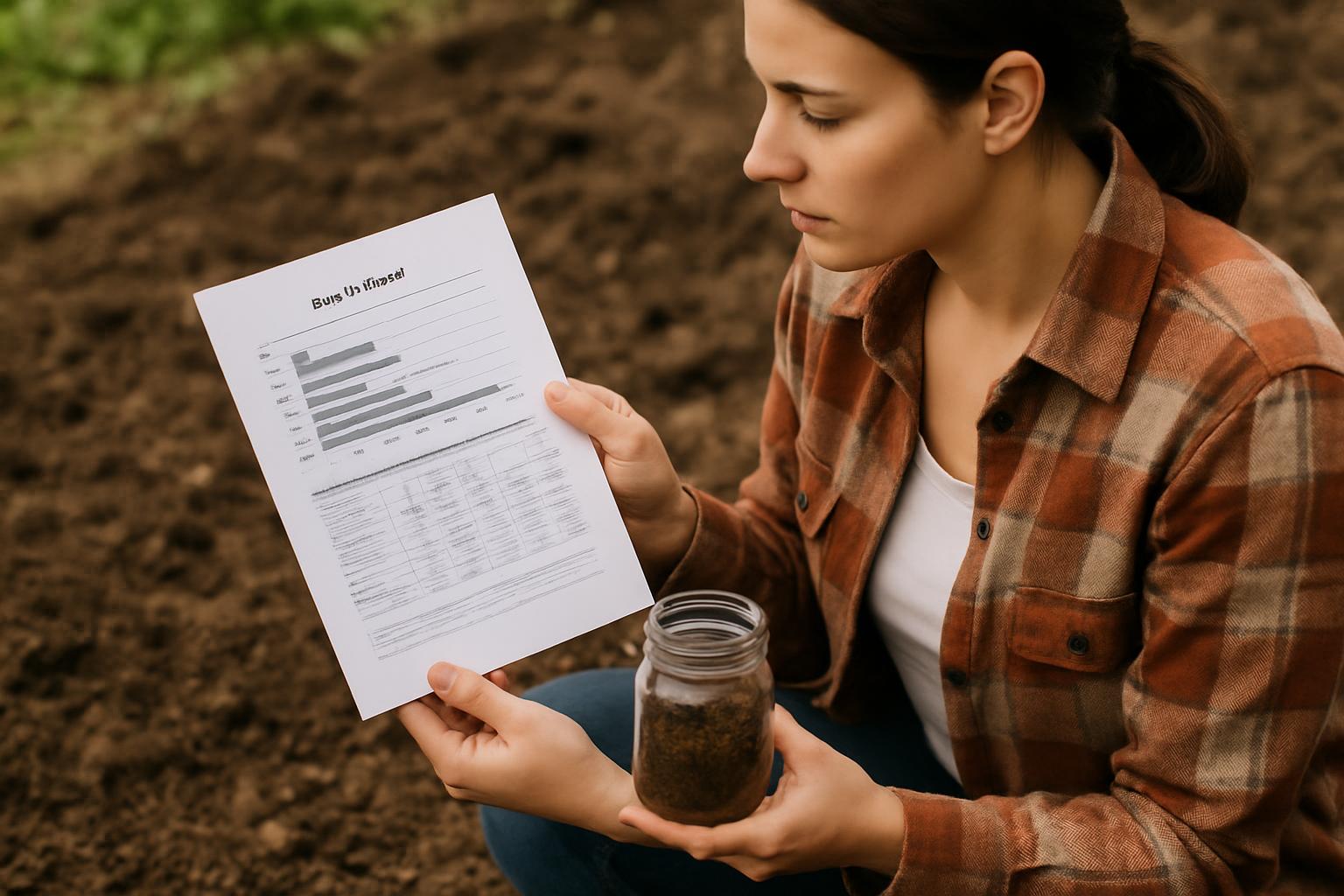
How to Read a Soil Test Report: Annotated Fields and Blend Decisions (2026)
How to read a soil test report: what pH, phosphorus, potassium, sulphur, CEC and trace element fields mean, and how they lead to a fertiliser blend.
-
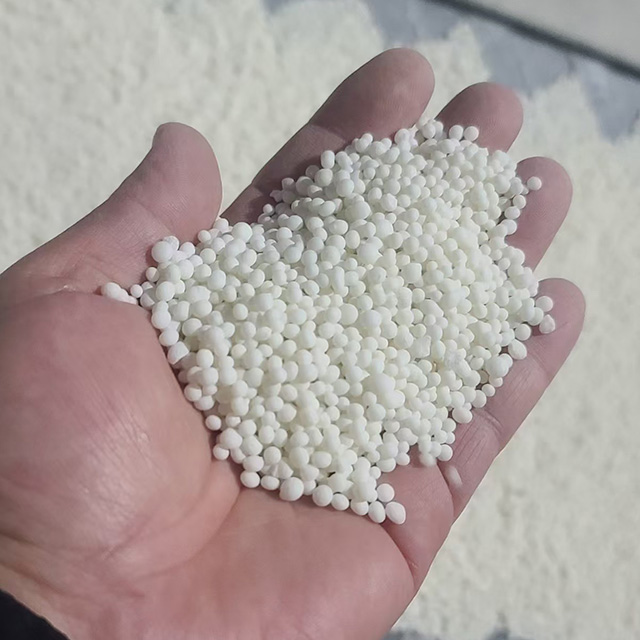
Buy DAP Fertiliser in Australia: Supply and Delivery
Buying DAP 18-46-0 in Australia – what the analysis delivers per hectare, what to check before you commit tonnage, and how supply and delivery actually work.
-
Buying Fertiliser in South Australia
Buying fertiliser in South Australia – what alkaline and calcareous soils change about product choice, district by district, and how delivery and freight work.
-
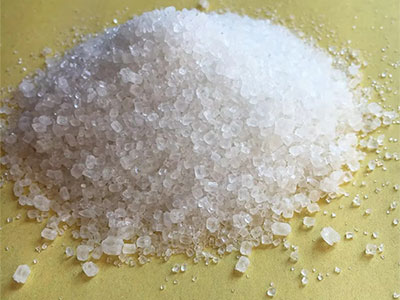
Fertiliser for Canola in Australia: Nitrogen and Sulphur
Choosing fertiliser for canola in Australia – why sulphur matters more than in cereals, phosphorus at seeding, nitrogen timing and target-to-tonnes maths.
-
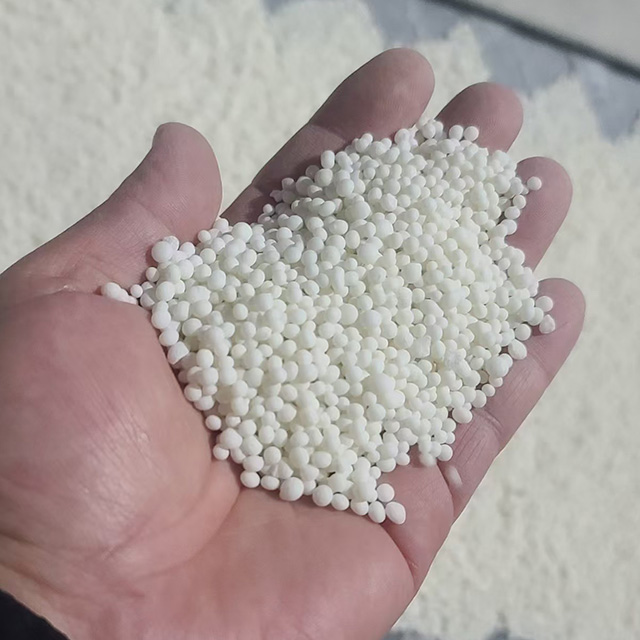
Fertiliser for Wheat in Australia: Choosing an Analysis
Choosing a fertiliser analysis for wheat in Australia – phosphorus at seeding, nitrogen through the season, and how to convert a target into tonnes.
-
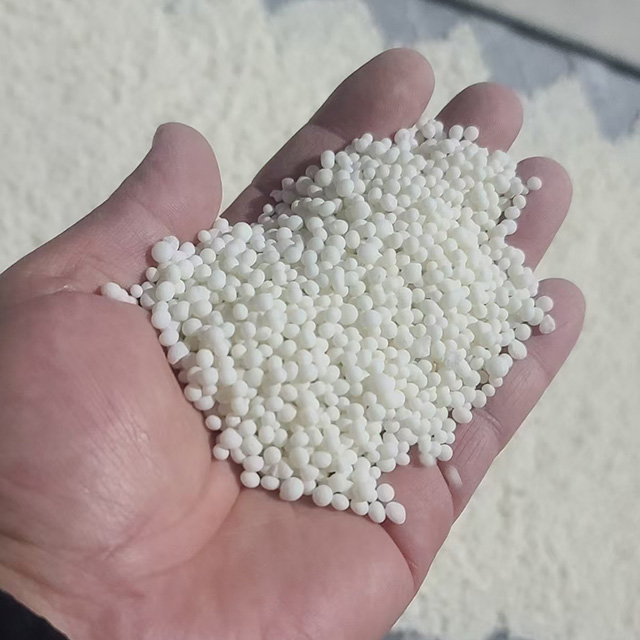
How to Read a Soil Test and Choose a Fertiliser
How to read a soil test report and turn it into a fertiliser order – which numbers matter, what they mean, and how to convert a deficit into a product rate.
-
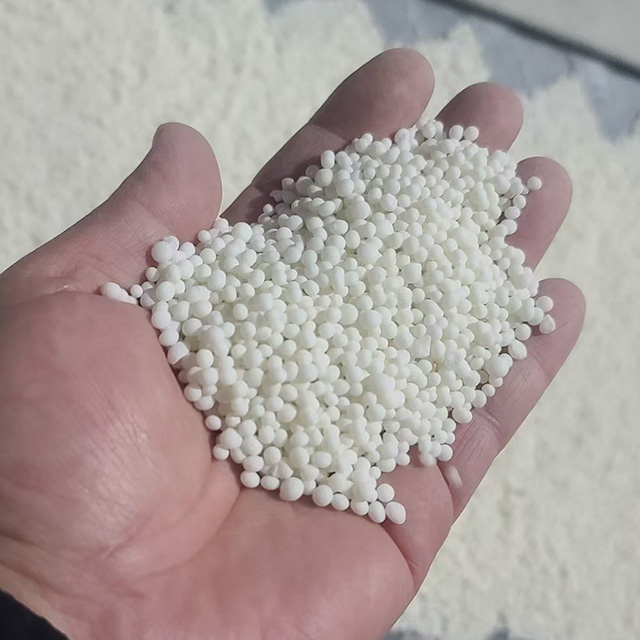
DAP vs MAP: Which Phosphate Fertiliser Should You Buy?
DAP vs MAP compared – analysis, seed safety, soil pH effects and cost per unit of phosphorus, so you can choose the right phosphate fertiliser for your paddock.
-
Reading an NPK Ratio: Matching Fertiliser to Your Soil Test
The three numbers on a fertiliser bag are percentages by weight of nitrogen, phosphorus (as P2O5) and potassium (as K2O). A 20-10-10 blend is 20% nitrogen, 10% phosphorus and 10% potassium; the remaining 60% is carrier, sulphur, trace…