
Agronomy
Practical agronomy notes on nitrogen, phosphorus, potassium and how fertiliser behaves in the paddock.
-
Fertiliser for Pasture and Hay in Australia
Fertiliser for pasture and hay in Australia – why cutting hay strips far more potassium than grazing, the nutrients that run down first, and tonnage.
-
Fertiliser for Canola in Australia: Nitrogen and Sulphur
Choosing fertiliser for canola in Australia – why sulphur matters more than in cereals, phosphorus at seeding, nitrogen timing and target-to-tonnes maths.
-
Fertiliser for Wheat in Australia: Choosing an Analysis
Choosing a fertiliser analysis for wheat in Australia – phosphorus at seeding, nitrogen through the season, and how to convert a target into tonnes.
-
High Tower Compound Fertiliser Explained
What high tower compound fertiliser is, how tower granulation differs from other methods, and when the harder rounder granule is worth paying for.
-
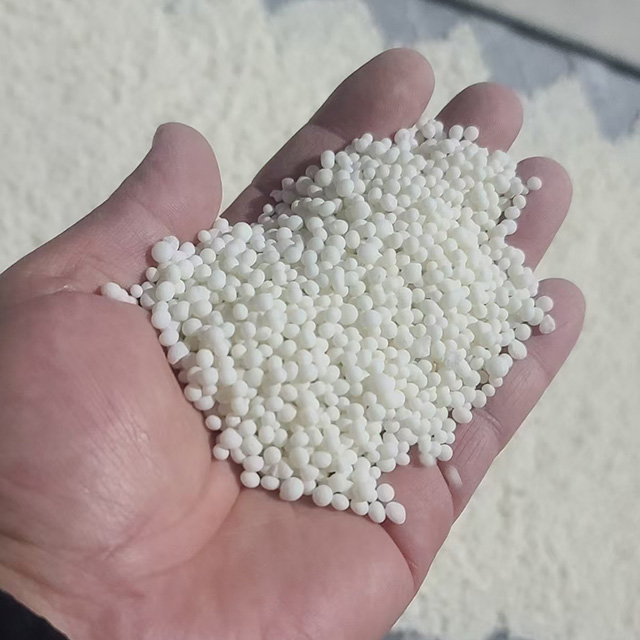
How to Read a Soil Test and Choose a Fertiliser
How to read a soil test report and turn it into a fertiliser order – which numbers matter, what they mean, and how to convert a deficit into a product rate.
-
Water-Soluble or Granular? Choosing a Delivery Method
The same nutrients can be supplied as a spreadable granule or a fully soluble powder. The choice is about delivery, timing and the equipment you already run. Granular Granular product is spread dry and released as moisture becomes…
-
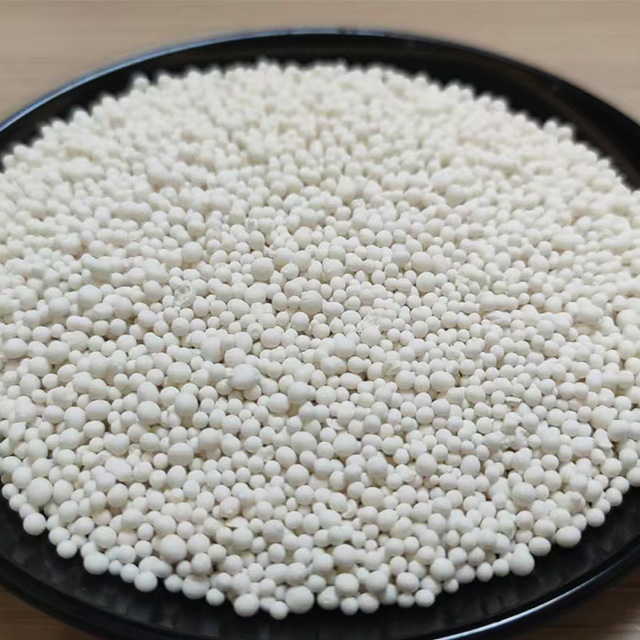
Urea Volatilisation: Why Surface-Applied Nitrogen Disappears
Urea is the most concentrated solid nitrogen fertiliser available at 46% N, which makes it the cheapest way to move nitrogen per tonne. It also has a failure mode that costs growers real yield every season. What happens…
-
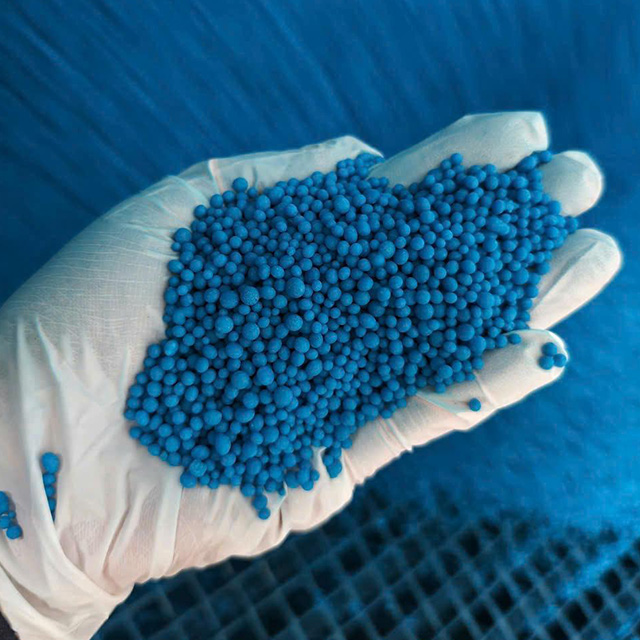
Reading an NPK Ratio: Matching Fertiliser to Your Soil Test
The three numbers on a fertiliser bag are percentages by weight of nitrogen, phosphorus (as P2O5) and potassium (as K2O). A 20-10-10 blend is 20% nitrogen, 10% phosphorus and 10% potassium; the remaining 60% is carrier, sulphur, trace…