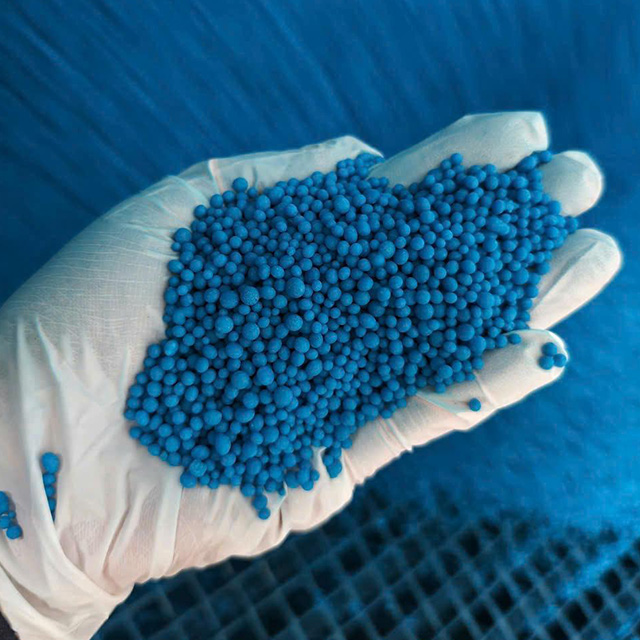
The three numbers on a fertiliser bag are percentages by weight of nitrogen, phosphorus (as P2O5) and potassium (as K2O). A 20-10-10 blend is 20% nitrogen, 10% phosphorus and 10% potassium; the remaining 60% is carrier, sulphur, trace elements and the granule itself.
What each nutrient actually does
Nitrogen drives vegetative growth and canopy. Nitrogen-led ratios suit cereals, pasture topdressing and leafy crops where canopy development sets yield.
Phosphorus builds root architecture and supports early vigour and flowering. Phosphorus-led ratios belong at sowing or transplanting, because root structure early sets the ceiling on final yield.
Potassium governs water regulation, tissue strength and fruit quality. High-potassium ratios earn their place from flowering through fruit fill, where potassium determines size, sugar and shelf life.
Start with the test, not the bag
A soil test tells you what is already there. Applying phosphorus to a paddock with adequate phosphorus wastes money and risks runoff. That is the argument for locally blended product: the ratio can be built to correct what the test shows, rather than chosen from whatever analyses happened to be imported.
Send us your soil test results with your enquiry and we will suggest an analysis to match.
Leave a Reply