
Description
Calcium ammonium nitrate (CAN) supplies nitrogen in two forms at once — roughly half as nitrate, which the crop can take up immediately, and half as ammonium, which becomes available more steadily — together with calcium.
It is the nitrogen fertiliser to reach for when the crop needs nitrogen now, or when conditions would cost you nitrogen from urea. Supplied in bulk, bulka bags or bagged from 10 MT, delivered Australia-wide and shipped worldwide, with a Certificate of Analysis and Safety Data Sheet against the batch supplied.
Calcium Ammonium Nitrate Specification
Nitrate and ammonium nitrogen with calcium. The declared analysis and supply detail for Calcium Ammonium Nitrate are set out below. A Certificate of Analysis is issued on request against the batch you actually receive.
| Product name | Calcium Ammonium Nitrate |
| Product code | CALCIUM-AMMONIUM-NITRATE |
| Product family | Calcium Ammonium Nitrate |
| Declared analysis (N–P–K) | 27–0–0 (nominal) |
| Total nitrogen (N) | 27% nominal — approximately half nitrate nitrogen and half ammonium nitrogen |
| Calcium (Ca) | approximately 8% nominal |
| Nutrient supplied per tonne | 270 kg N |
| Analysis basis | Nominal specification. The Certificate of Analysis issued for your delivered batch governs and should be relied on for contract purposes. |
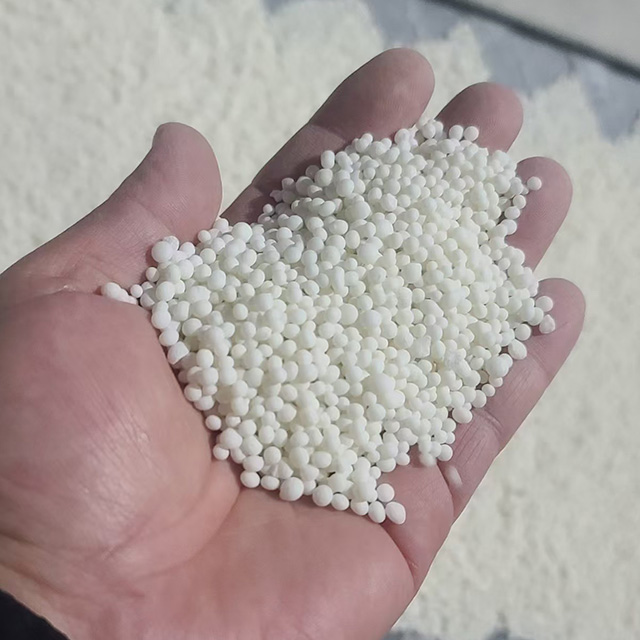
| Physical form | Granular |
| Water solubility | Soil-applied granular product |
| Packaging | Bulk, one-tonne bulka bag or bagged — confirmed on your quotation |
| Minimum order | 10 – 25 MT, depending on the product and the destination — confirmed on your quotation |
| Availability | Australia-wide delivery; international shipping on request |
| Certificate of Analysis | Issued on request against your delivered batch |
| Safety Data Sheet | Available on request — request it before handling |
Where CAN Is Used
Topdressing when the crop needs nitrogen now
The nitrate half is plant-available from the moment it dissolves — no waiting on soil biology to convert it. Where a crop is visibly short and the season is moving, that matters.
Conditions that would cost you urea
Warm, damp surface, heavy stubble, alkaline soil, no rain forecast: all of these cause nitrogen loss from surface-applied urea. CAN is not exposed to that in the same way, so the nitrogen you spread is the nitrogen the crop gets.
Horticulture and crops that want calcium
Calcium matters for cell wall strength and shelf life, and shows up in the quality problems of tomatoes, apples, lettuce and brassicas when it is short. CAN supplies it alongside the nitrogen.
Acidic soils
CAN has a much smaller acidifying effect than ammonium sulphate or urea, so on ground where pH is already a concern it does not make the problem worse.
Pasture through the growing season
Quick response after grazing or a cut, with the calcium a useful extra on lighter country.
Why Two Forms of Nitrogen Matter
Nitrate nitrogen is taken up immediately and moves with soil water — fast, but it can also leach below the root zone in heavy rain. Ammonium nitrogen is held on soil particles and released more slowly as it converts to nitrate.
A product carrying both gives you an immediate response and a continuing supply from the same application. That is the practical argument for CAN over a straight nitrate or a straight ammonium source, and it is why it is the standard topdressing nitrogen across much of Europe.
CAN, Urea or Ammonium Sulphate?
| Product | Speed of uptake | Also supplies | Effect on soil pH | Choose it when |
|---|---|---|---|---|
| CAN | Immediate, then steady | Calcium | Close to neutral | The crop needs nitrogen now, or urea would volatilise |
| Urea 46-0-0 | After conversion | — | Mildly acidifying | Lowest cost per unit of N, and you can water it in |
| Ammonium Sulphate | Steady | Sulphur | Acidifying | Sulphur is short too, or the soil is alkaline |
Packing and Quantities
Calcium Ammonium Nitrate is supplied in bulk, in 1,000 kg and 500 kg bulka bags, and in 50 kg and 25 kg bags. Minimum order is 10–25 MT, depending on the product and the destination. Packing formats, 20ft container loading figures, and bagging and marking are set out in full on our Delivery & Freight page.
Handling and Storage
Store Calcium Ammonium Nitrate dry, off the ground and out of direct weather. Nitrogen and ammonium-based fertilisers draw moisture from the air and will cake if left exposed — full handling and storage guidance is on the Delivery & Freight page.
Calcium Ammonium Nitrate — Common Questions
What does CAN stand for?
Calcium ammonium nitrate. It is sometimes called nitrolime or nitrochalk, and is made by combining ammonium nitrate with a calcium carbonate source.
Is CAN the same as ammonium nitrate?
No. CAN contains ammonium nitrate together with a calcium carbonate component, which lowers the nitrogen concentration and changes how the product behaves in storage and in the soil.
Why choose CAN over urea when urea is cheaper?
Because nitrogen you lose to the air is not cheap. On a warm, damp surface with no rain coming, surface-applied urea can lose a meaningful share of its nitrogen; CAN does not lose it the same way. Where you can incorporate or water urea in, urea is usually the better buy.
Does CAN raise soil pH?
It is close to neutral in effect — far gentler than ammonium sulphate or urea. The calcium carbonate in it offsets the acidity of nitrification, which is why it suits soils where pH is already low.
Are there special storage rules?
It is an ammonium-nitrate-based product: store it dry, cool and away from fuels and combustible material, and keep the Safety Data Sheet where the people handling it can read it. Requirements vary by state — ask us and check with your state authority before storing large quantities.
Calcium Ammonium Nitrate Data Sheet
A Certificate of Analysis for your delivered batch and the Safety Data Sheet are both available on request. The analysis in the data sheet is the nominal specification; where a Certificate of Analysis is issued for a batch, that certificate governs.
Related Reading
- Urea Volatilisation: Why Surface-Applied Nitrogen DisappearsUrea is the most concentrated solid nitrogen fertiliser available at 46% N, which makes it the…
- Ammonium Sulphate vs Urea: Which Nitrogen Source?Ammonium sulphate vs urea compared – nitrogen per tonne, sulphur, volatilisation risk…
- Fertiliser for Pasture and Hay in AustraliaFertiliser for pasture and hay in Australia – why cutting hay strips far more potassium…
Enquire About Calcium Ammonium Nitrate
We do not sell online and take no payment through this website. Tell us the tonnage, the packing format and the delivery address, and we will send you a written quotation covering product and freight.
Reviews
There are no reviews yet.