
Canola is the crop where sulphur stops being an afterthought. It has a genuinely higher sulphur requirement than cereals, and getting that wrong is the most common way a canola nutrition program underperforms while the nitrogen looks fine on paper.
Why sulphur matters more here
Canola builds sulphur-containing compounds that cereals largely do not, so its demand runs well above a wheat crop of similar size. Two things make that a practical problem rather than a footnote:
- Sulphate is mobile in soil. Like nitrate, it leaches. A soil test in autumn can look adequate and be wrong by the time the crop is growing, particularly on sands after a wet start.
- Deficiency mimics nitrogen deficiency. Pale, poor growth reads as short of nitrogen, so more nitrogen goes on, which does not fix it. The tell is that sulphur deficiency usually shows on the younger leaves, because sulphur does not move around inside the plant the way nitrogen does.
If you are only going to add one test to a canola program, make it sulphur.
The three decisions
Phosphorus at seeding
Canola seed is small and the seedling is not vigorous, so early phosphorus matters and placement matters more than rate. DAP 18-46-0 is the usual starter. Its alkaline reaction zone is worth respecting with small seed in dry conditions — keeping it out of direct seed contact is standard practice, and MAP 12-61-0 is often preferred on alkaline and calcareous soils. The DAP vs MAP comparison covers the trade-off properly.
Sulphur, early
Because sulphate leaches, the practical approach is supplying it at or near seeding rather than assuming reserves. Two ways, and which suits depends on what else you need:
| Product | Supplies | Where it fits |
|---|---|---|
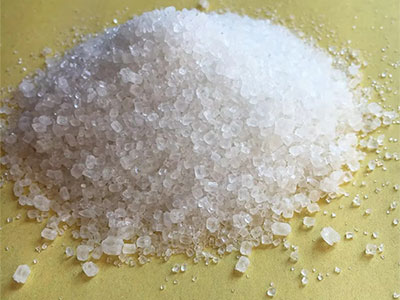
| Ammonium sulphate 21-0-0 | Nitrogen + ~24% sulphur | When you need both. The sulphur is effectively free against the nitrogen you were buying anyway |
| Sulphate of potash | Potassium + sulphur, chloride-free | Where potassium is also short — common on sands |
| Custom blend | Whatever your test says | When no standard grade carries the right N:P:S together |
Nitrogen through the season
Canola is nitrogen-hungry and the decision is exposed to the season. Urea 46-0-0 is the standard because it carries the most nitrogen per tonne, so you cart and spread less for the same result. The caution is the same as in cereals — surface-applied urea on warm moist soil loses nitrogen to the air, and incorporating or timing it to rain is what prevents that.
Turning targets into tonnes
| Target | Product | Rate | 300 ha needs |
|---|---|---|---|
| 40 kg/ha P2O5 | DAP 18-46-0 | 87 kg/ha | 26.1 t |
| 20 kg/ha S | Ammonium sulphate (~24% S) | 83 kg/ha | 24.9 t |
| 80 kg/ha N | Urea 46-0-0 | 174 kg/ha | 52.2 t |
Note the second row does double duty — that 83 kg/ha of ammonium sulphate also brings about 17 kg/ha of nitrogen, which comes off your nitrogen plan. Every product page carries the same arithmetic at rates from 50 to 300 kg/ha.
What to send us
The soil test including sulphur, your target yield, the area and the nearest town. Send it through soil test matching and we will come back with the analyses that fit, or a blend if none do. See also fertiliser for wheat if canola sits in a cereal rotation.
Send the soil test with sulphur included, the area and your target yield. We will match the analyses and quote the tonnage delivered.